The Gypsum
Gypsum is one of the oldest materials used in construction. It is sold milled, in the form of powder.


Gypsum is one of the oldest materials used in construction. It is sold milled, in the form of powder.
Calcium sulphate dihydrate, a mineral commonly known as gypsum, originated more than 200 million years ago as a result of the progressive evaporation of lakes, thus generating the sedimentation of chemical components rich in sulphate and calcium ions, which, when combined, resulted in this mineral.
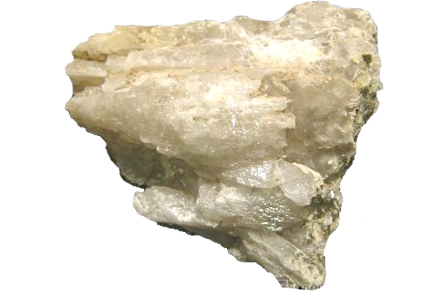 Cristallized gypsum rock
The use of gypsum has been known since the Neolithic period to join masonry pieces, seal walls and cover interiors. In ancient Egypt, during the third millennium BC, gypsum was used to seal the joints of the Great Pyramid of Giza, and in tombs as coating and support for painted bas-reliefs.
In Anatolia or Minor Asia, in what we know today as Turkey, decorative frescos are paintings made on a soft and thin layer of gypsum. The most significant example of fresco painting is in the Sistine Chapel, done by Michelangelo during the Renaissance period.
 Giza Pyramids
Today, gypsum plays a very important role in the development of man, both in construction and decoration, or in fields such as medicine, agriculture and food. All this thanks to its adaptability, ease of application and characteristic advantages.
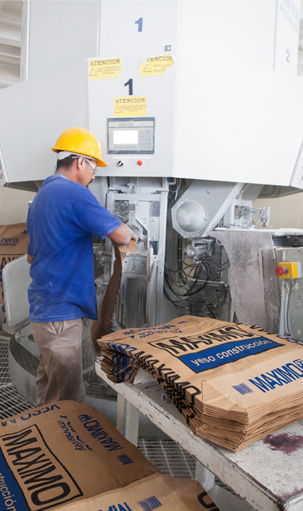 Modern Gypsum

Due to its high thermal resistance and low heat conductivity coefficient, gypsum is considered thermally insulating, reducing heat transfer by radiation and conduction between a higher temperature body to a lower temperature one.

The gypsum coating breathes like a real skin, regulating the temperature and activating the ventilation of the place. They ensure a balanced internal temperature, quickly absorbing excess moisture to restore it to the environment when the air is drier, giving a feeling of freshness.

The gypsum by its crystallin nature, presents a good acoustic absorption since it has certain elasticity, which together with its finely porous internal structure, make them behave like good acoustic absorbers, diminishing reverberations and dampening the sound waves.

Due to its refractory property, gypsum is used for protection in case of fire, since it prolongs the resistance to fire and does not give off toxic fumes or smoke. In the presence of fire, gypsum plays an active role, thanks to the crystallization of water of its structure it not only restrains it, but also absorbs a considerable amount of heat.

Allows for smoother and firmer finished, is ideal for producing artistic sculptures and architectural reliefs, it is also used in the manufacture of molds for toilets and sinks.